
 All Posts
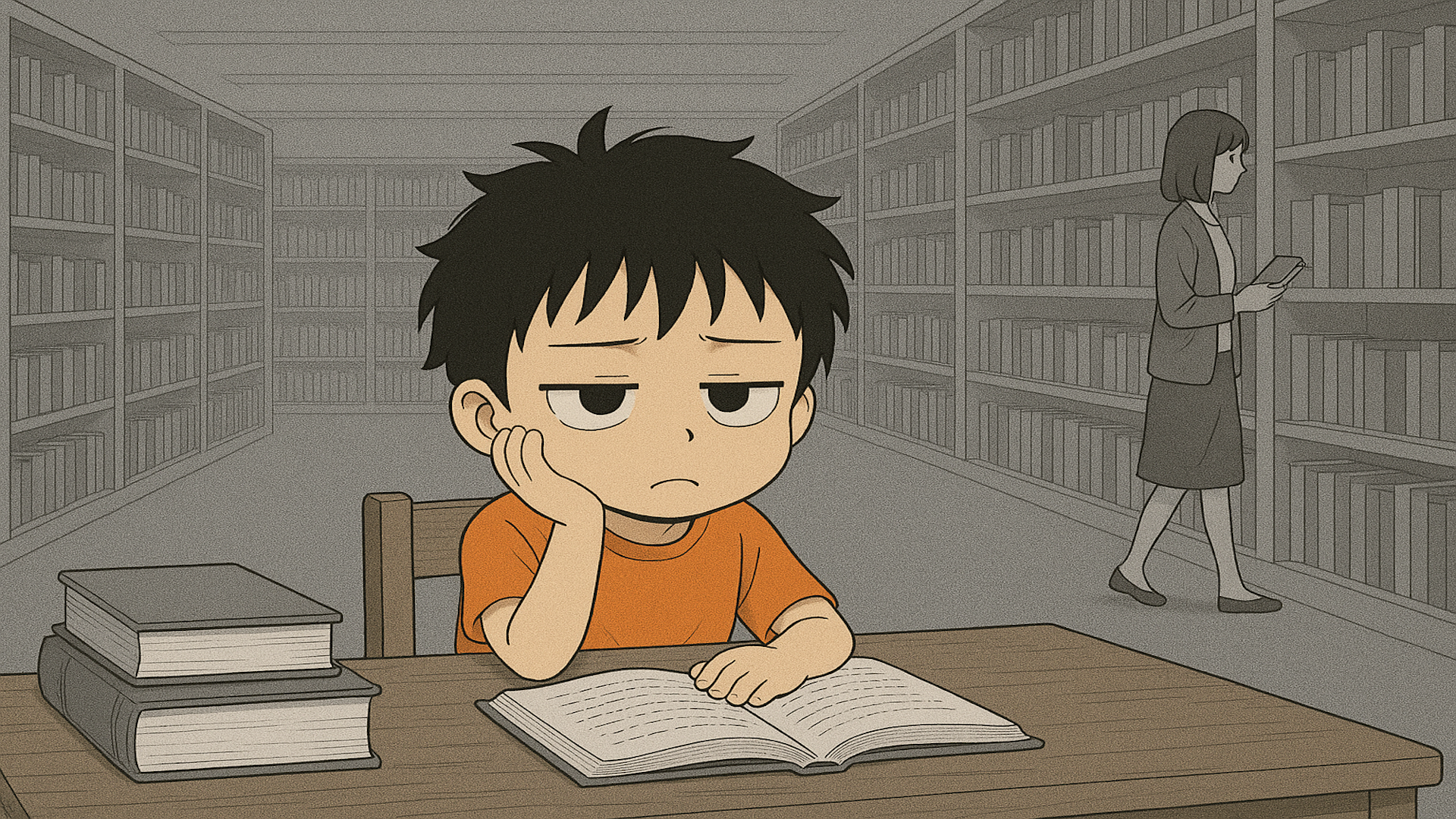
If your child rolls their eyes at reading or says, “Books are boring,” you’re not alone.
A growing number of parents are noticing the same thing — especially around ages 7–9, when reading shifts from playful to academic. Scholastic’s Kids & Family Reading Report (2024) found that only 35% of 9-year-olds say they “love reading for fun,” compared to 57% of 8-year-olds¹. This drop-off — often called the “Decline by 9” — signals a major change in how children perceive books.
The good news? Reading boredom isn’t permanent. It’s usually a sign that a child’s needs, interests, or environment have shifted — and that it’s time to adjust how we nurture their curiosity.
Here are five research-backed ways to make reading exciting again.
1. Let Your Child Choose What They Read
Children are much more likely to engage when they have autonomy and choice. Studies show that kids are 2–3 times more likely to finish books they pick themselves², and that self-selected reading leads to higher comprehension and confidence³.
When every book feels like an assignment, motivation plummets. The goal is to restore reading as something children do for themselves, not for school.
Try This:
- Visit the library or bookstore and let your child choose freely — even if it’s comics, joke books, or graphic novels.
- Don’t worry if they reread favorites; repetition reinforces vocabulary and fluency⁴.
- Ask what kinds of stories they enjoy in shows or games, and find books that match those themes.
📖 “The best predictor of reading motivation is freedom of choice,” says Dr. John Guthrie, a literacy researcher at the University of Maryland⁵.
2. Make Reading Social and Shared
Reading doesn’t have to be solitary — in fact, research shows it’s more engaging when it’s social. Shared reading builds connection and enjoyment, particularly when stories are discussed rather than simply read aloud⁶.
When kids associate reading with warmth, laughter, and imagination — not isolation — they’re more likely to see it as fun.
Try This:
- Read aloud together, even for older kids. Use voices and expression to bring characters to life.
- Take turns reading pages or lines — teamwork adds energy.
- Start a short “family book club” where everyone shares thoughts or draws their favorite scene.
- Invite friends or relatives to recommend or gift their favorite childhood books.
3. Connect Reading to Their Passions
If your child loves dinosaurs, superheroes, or space, start there. Research shows that children are most engaged when stories reflect their personal interests or experiences⁷.
When a child says reading is boring, they usually mean the content isn’t capturing their imagination — not that reading itself is the problem.
Try This:
- Find books tied to their hobbies, games, or shows.
- Explore nonfiction picture books or short stories about real-world topics they care about.
- Pair reading with activities — for example, read a baking-themed book, then make cupcakes together.
- Let them see reading as an extension of curiosity, not a break from it.
4. Shorten the Sessions — But Make Them Consistent
Attention spans vary by age, and expecting a 7-year-old to sit still for 30 minutes of quiet reading can set everyone up for frustration. The National Literacy Trust (2024) found that daily short reading sessions (10–15 minutes) were more effective for building reading enjoyment than infrequent long sessions⁸.
Consistency builds stamina over time, while overly long reading blocks can make reading feel like a chore.
Try This:
- Read in short bursts — before bed, after school, or at breakfast.
- Keep books in visible, easy-to-grab places (living room baskets, car rides).
- End on a fun or cliffhanger moment so your child looks forward to what happens next.
- Mix reading with visuals: picture books, graphic stories, or illustrated magazines help sustain attention⁹.
5. Model Reading and Celebrate Small Wins
Children copy what they see. A 2022 Journal of Educational Psychology study found that kids whose parents read regularly were far more likely to view reading as enjoyable and rewarding¹⁰.
The goal isn’t to lecture about reading — it’s to live it out. When your child sees you reading, finishing a story, or laughing at a book, it normalizes reading as an everyday joy, not a school task.
Try This:
- Read your own book while your child reads theirs.
- Talk about what you’re reading and why you like it.
- Praise effort over speed: “You stayed focused for 10 minutes — that’s awesome!”
- Keep a small “books we finished” list or sticker chart as a fun visual tracker.
Final Thought
When a child says reading is boring, it’s not a dead end — it’s a signal. It’s an invitation to rediscover reading on their terms: playful, personal, and purposeful.
By giving children more choice, connecting stories to what they love, and creating small but consistent moments of shared joy, parents can help turn “reading is boring” into “Can we read another one?”
References
- Scholastic. (2024). Kids & Family Reading Report: 8th Edition. https://www.scholastic.com/readingreport
- Schiefele, U., & Löweke, S. (2020). The role of choice and control in fostering reading motivation. Journal of Educational Psychology, 112(4), 724–737.
- Guthrie, J. T., & Wigfield, A. (2023). Reading motivation and engagement across developmental stages. Reading Research Quarterly, 58(1), 15–35.
- Mol, S. E., & Bus, A. G. (2011). To read or not to read: A meta-analysis of print exposure from infancy to early adulthood. Psychological Bulletin, 137(2), 267–296.
- Guthrie, J. T. (2023). Quoted in EdWeek: The science of reading motivation in middle childhood. https://www.edweek.org
- Sénéchal, M., & LeFevre, J. (2020). Shared reading and children’s literacy: A meta-analysis. Child Development, 91(2), 234–252.
- Education Week. (2023). Why representation and interest matter in children’s literature. https://www.edweek.org
- National Literacy Trust. (2024). Children’s reading for pleasure survey. https://literacytrust.org.uk
- OECD. (2023). Children’s reading engagement and text length preferences: Insights from PISA research. https://www.oecd.org
- Baker, L., & Scher, D. (2022). Parents as reading role models: Longitudinal impacts on child motivation. Journal of Educational Psychology, 114(3), 487–501.